What’s Really at Stake in the Gene Hackman Estate Dispute
When it comes to estate planning, timing matters. The recent passing of legendary actor Gene Hackman and his wife, Betsy Arakawa, has brought renewed attention to the complexities of wills, trusts, and the legal challenges that can arise when key estate planning documents are not updated regularly. Why is Contesting…
Martinson & Beason, P.C. is pleased to announce that Mac Martinson has been recognized as Lawyer of the Year in the 2023 edition of Best Lawyers in America. Mac was selected by his peers for recognition of his professional excellence in the area of Real Estate Law in Huntsville. Best…
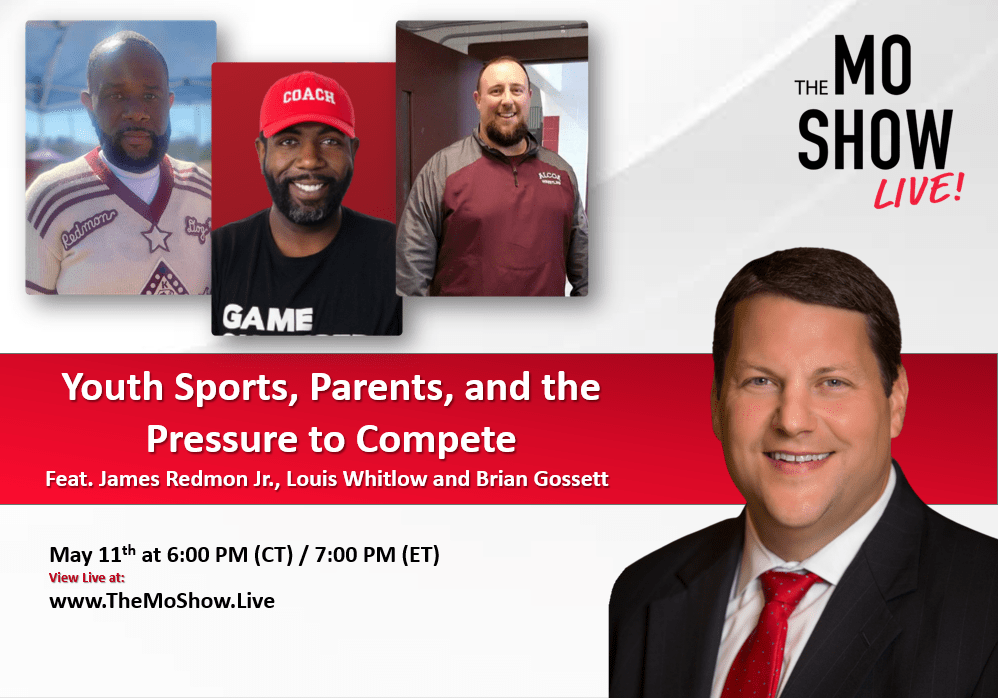
Mo Show Live with James Redmon Jr., Louis Whitlow, and Brian Gossett
The next episode of the Mo Show Live will air Wednesday, May 11th at 6:00 PM Central Time and will feature a panel of guests, including James Redmon Jr., Louis Whitlow, and Brian Gossett. Not only does each guest coach young athletes, but they’re also dedicated parents. In this episode, they’ll join Morris to discuss youth and high school sports, as well as the pressure that parents and others may put on these young athletes.
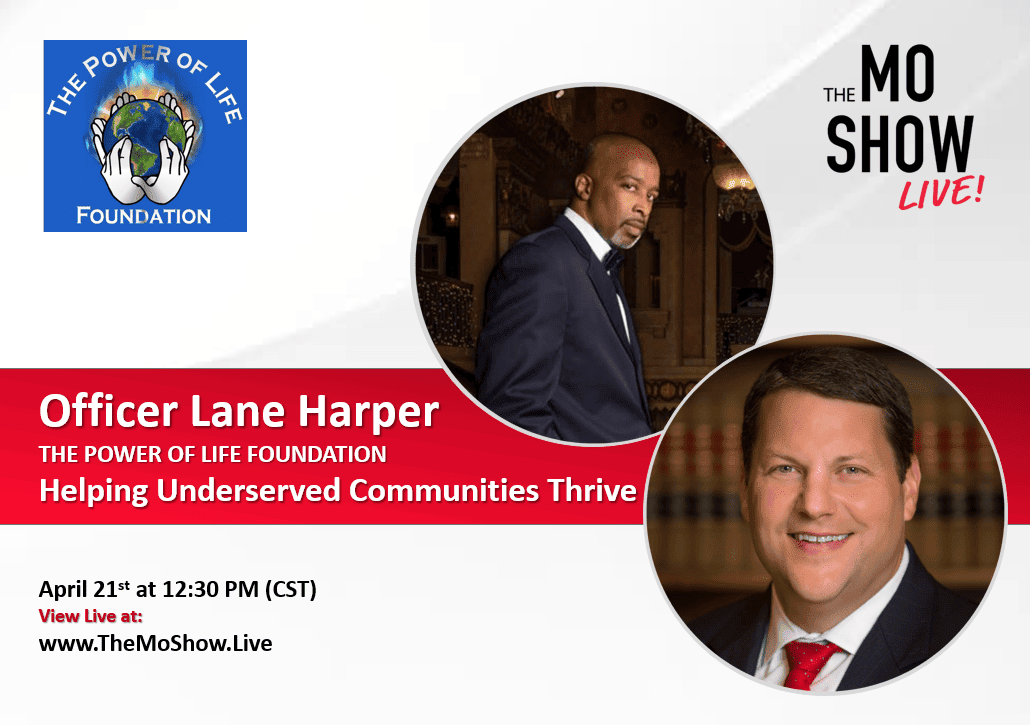
The next episode of the Mo Show Live will air Thursday, April 21st at 12:30 PM Central time and will feature guest Lane Harper from The Power of Life Foundation. In this episode, Officer Harper will join Morris to discuss his vision to help the underserved population facing difficult times with basic needs nationwide.A Birmingham police officer, Officer Harper serves his community both on and off the clock. When in uniform, he works to protect and help bridge the gap between law enforcement and his local community. Harper also founded the nonprofit The Power of Life Foundation. He serves as Executive Director of the organization, going beyond the badge to make sure local families in his community have what they need.
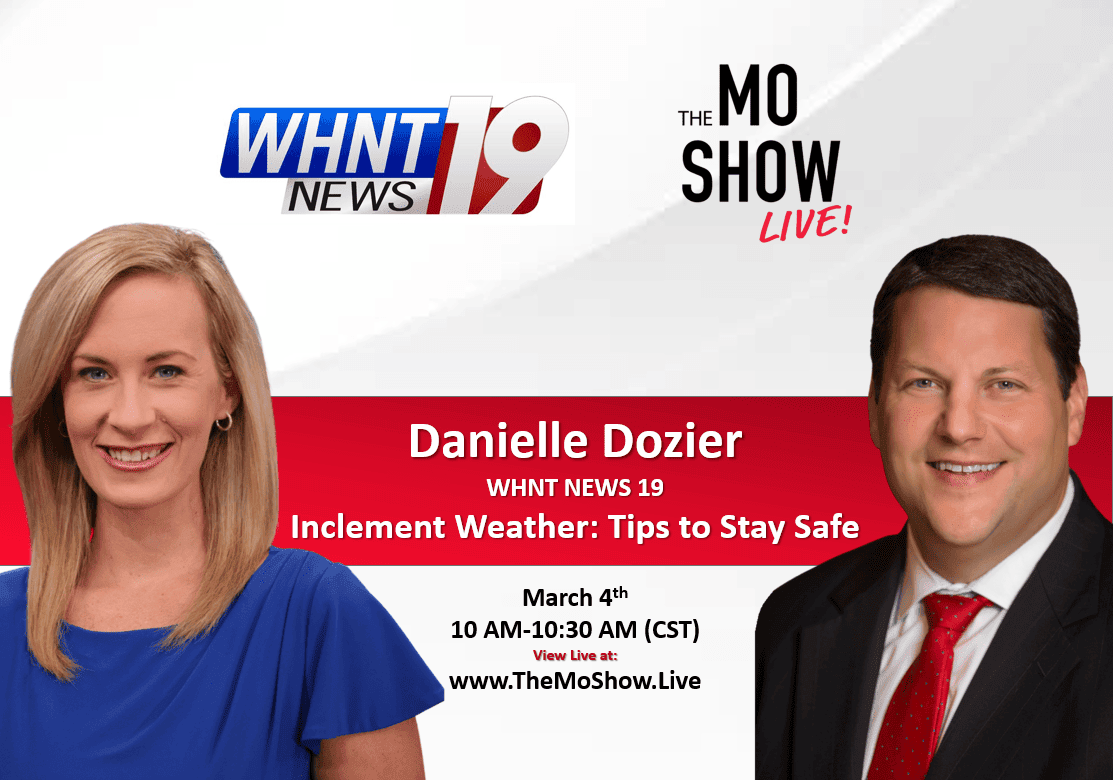
The next episode of the Mo Show Live will air Friday, March 4th at 10 AM Central time and will feature guest Danielle Dozier from WHNT News 19. In this episode, Danielle will join Morris to discuss her journey to becoming the Chief Meteorologist for one of North Alabama’s top news stations and how to stay prepared for severe weather.If you’re a fan of WHNT News 19, you may have noticed a new face joining the team last fall. Danielle Dozier came to the WHNT news station in October 2021 as the new Chief Meteorologist leading the weather team. A Chesapeake, Virginia native, Danielle was fascinated by the frequent tropical systems that came through her area and developed a love of weather at an early age. After graduating from UNC Asheville, Danielle pursued her career as a meteorologist in Oklahoma City, Indianapolis, and Pittsburgh before her recent move to the North Alabama region, gaining the opportunity to experience all kinds of weather events from flooding to tornadoes, wildfires, snow storms, earthquakes and more.
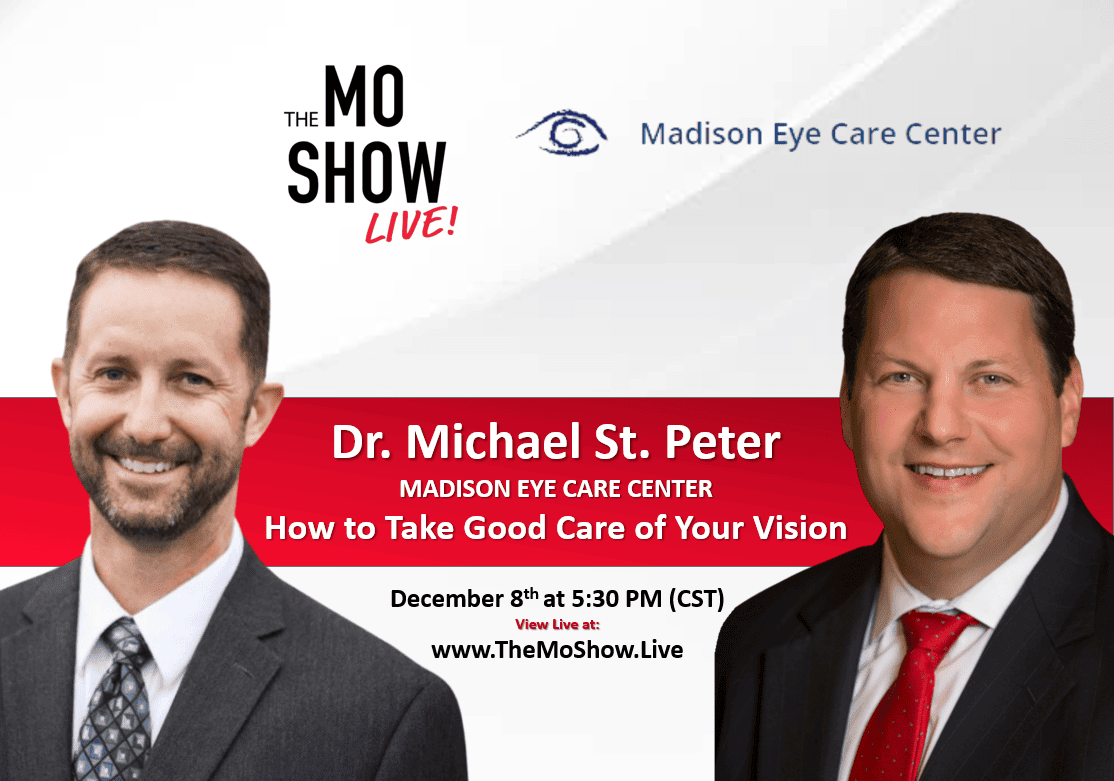
The next episode of the Mo Show Live will air Wednesday, December 8th at 5:30 PM Central time and will feature guest Dr. Michael St. Peters from Madison Eye Care Center. In this episode, Michael will join Morris to discuss the importance of getting your eyesight tested to check for vision and eye problems. Born and raised in Bardstown, Kentucky, Michael left his hometown to join the United States Navy after graduating high school. He served onboard a nuclear submarine as a reactor operator/chemist during his time in the Navy. Following his military service, Michael decided to pursue his dream of becoming an eye doctor. Today he's a full-time optometrist in Madison, Alabama. Michael is also an active member of the Madison Rotary Club and leads an annual mission trip to Honduras to provide vision screenings for the less fortunate.
If you have legal questions in Alabama,
Martinson & Beason, P.C. has answers
Contact Us Today
When life throws you a curveball, having a trusted legal team behind you can bring peace of mind to you and your family. The attorneys at Martinson & Beason Injury Lawyers have proudly served the Huntsville community—and all of Alabama—since 1937. Our deep community roots, passion for people, and desire to help those who need it most allow us to provide clients with dedicated legal help.
I have had a wonderful experience during my time if need. I was in a major car accident that changed my life. I had the honor of working with a great team of people who cared. Martinson & Beason is a professional and caring law firm that truly makes everything easy and informational. I would recommend them to anyone for their needs and making things simple.
Alehandro Halsey
Read What 400+ Clients Have To Say About Us
We are proud to be one of Alabama’s top-rated personal injury law firms. Not convinced? Read satisfied reviews from others in your situation using the link below.